








Author · Speaker · Near-Death Survivor

Consciousness, intuition and life after profound change.

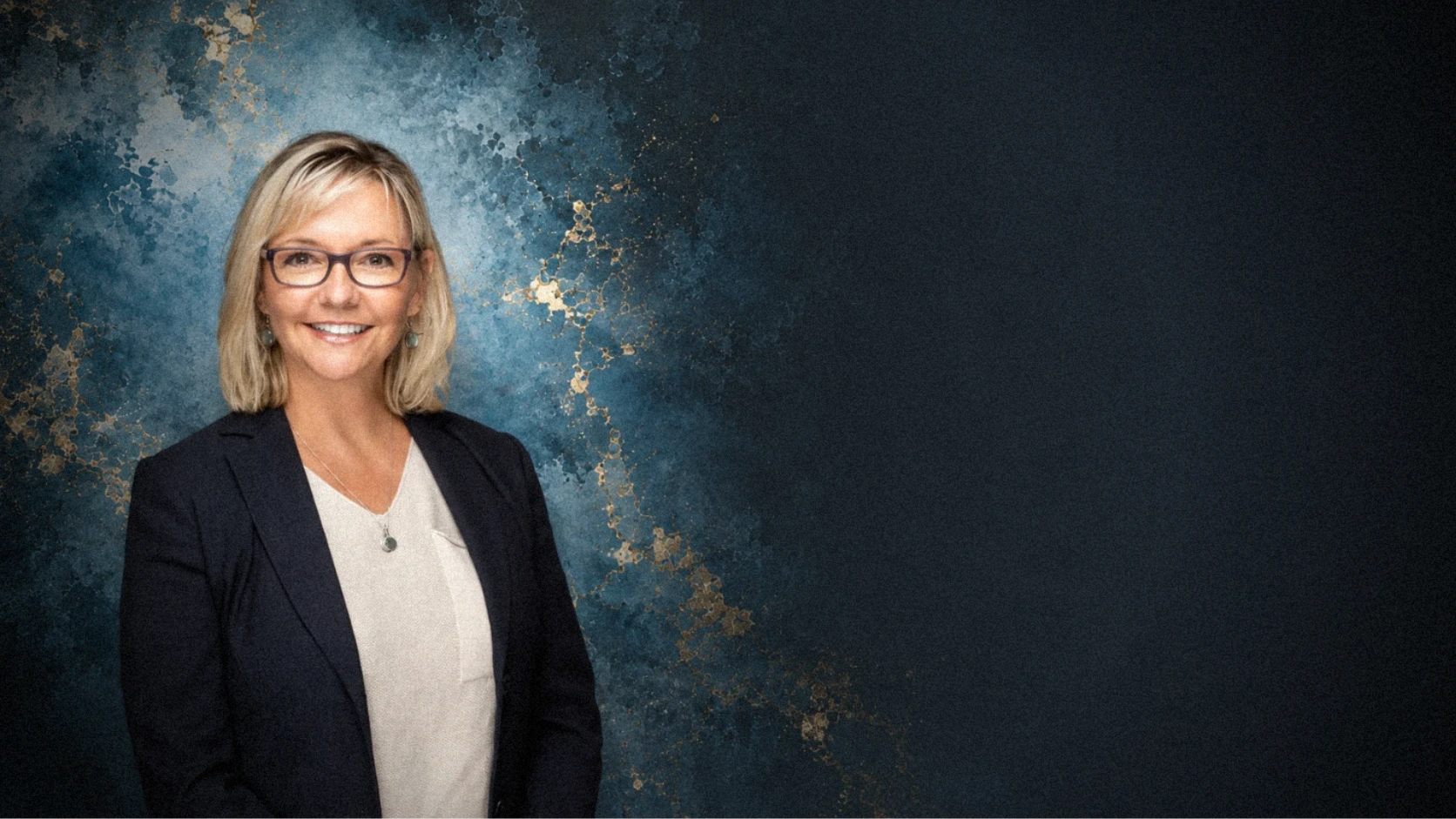
Lorri Brewer is an Alberta-based author and speaker whose work explores consciousness, intuition, grief, identity, decision-making and spirituality in everyday life. Her perspective is shaped by nearly three decades in business and by the long aftermath of a 2010 near-death experience.

  • Independent Publisher
  • Spirit Switchboard
  • Best Book Awards
  • NDERF
  • Famous Interviews
  • CBC
  • Rimbey Review
  • Goodreads
  • The Transformation Network
  • Our Paranormal Afterlife
  • Shit Creek Survivors
  • The Dr. Pat Show
  • Life, Death & Beyond
  • Jeff Mara Podcast
  • Real Estate Magazine
  • Living Now Book Awards
  • Failcraft
  • Spiritual Infinity
  • Let's Talk Near Death

Before 2010

I spent most of my life in a world where things had to add up.

By 2010, I had already built a practical career in Alberta business and real estate. That world shaped how I thought, worked and made decisions long before my questions about consciousness became public.

I sold homes, became a broker, owned brokerages and ran businesses. There were contracts, financing, negotiations, regulations, difficult conversations and plenty of moments when somebody needed an answer before I felt completely ready to give one.

I got used to asking what we actually knew, what still had to be checked and what somebody was assuming because they wanted it to be true. That habit stayed with me.

My life was full in ordinary ways. I worked. I raised a family. I solved one problem and another one took its place. I had ambitions, responsibilities and a life I understood. Most days, I was simply busy living it.

I carried that habit into what happened next. I questioned the experience almost immediately, and I kept questioning it for years.

Watercolour heart-rate trace marking Lorri Brewer's September 19, 2010 medical crisis

September 19, 2010

On September 19, 2010, my heart stopped beating.

I had lived with episodes of SVT since I was sixteen. I knew the pounding heart, the fear and the routine of getting help. This episode felt different. At the Royal Alexandra Hospital my blood pressure fell to 56/27. I heard staff call a pre-code. I told my husband that I thought I was going to die. Then I lost consciousness, stopped breathing and was resuscitated. My body was in a medical emergency. What I remember during that time belongs to another part of the story.

What I remember

What happened after I died is the hardest part to explain.

I remember my father, who had been dead for years. I remember how normal his presence felt. That may be the strangest part to explain.

I did not experience Dad the way I would see somebody standing across a room. It was closer to knowing he was there. I remember details connected to the trauma room, the sense of being somewhere outside it, an overwhelming peace and a bright tunnel as I returned. Some parts are vivid. Other parts are difficult to translate into language because I did not experience them through the senses I was used to relying on.

I struggled with that almost immediately. I had spent my life explaining practical things in practical language. Now I was trying to describe something that felt more real to me than a dream and less explainable than almost anything else I had lived through. I could tell people what I remembered. I could not make the mechanics of it neat for them.

I have learned to keep the parts of the story separate. The hospital record describes what happened to my body. What I remember comes from me. What I believe it means is my interpretation. I try not to blur those things together.

I came back believing my father had been there. I still believe that. I also know I cannot prove what happened outside the medical facts, and I have spent the years since living with both the conviction and the questions.

The return

Coming back did not feel like coming home.

My body hurt. I had burn marks from the emergency treatment. My senses felt as though somebody had turned the volume up and then lost the remote. Leaving the house could wear me out. Being around strangers felt different. I looked the same, but I felt completely different.

My husband could see it too. He missed his wife even though I was standing right there, and I understood exactly what he meant because I missed myself. In Heaven Time I wrote, "I was a survivor that was not happy to be back." I meant it. Surviving did not make the return simple.

Life after a near-death experience

The near-death experience happened once. Learning how to live after it took years.

The medical crisis had an ending. The work of becoming familiar with my own life again did not.

Business did not pause while I figured myself out. There were still appointments, clients, bills, family responsibilities and decisions that needed to be made. I could spend part of a morning wondering whether I had really been with my father and the rest of it dealing with something completely ordinary that could not wait.

That became one of the strangest parts of life after a near-death experience. Extraordinary questions lived right beside ordinary life. I still had to buy groceries, answer people, work through disagreements, make money, lose people I loved and get out of bed on days when I did not feel particularly wise or spiritual.

There were times I trusted the experience completely and times I questioned myself so hard I wondered whether I was losing my mind. The intuitive part of me wanted to listen. The skeptical part wanted evidence, logic and something solid to hold onto. I have never completely lost either side, and I no longer think I need to.

People use the word reintegration now, and it is a useful word. Living it was much messier. I did not move through a series of stages and arrive neatly at acceptance. My identity changed, my relationships changed, my sense of what mattered changed, and I kept trying to work out what still belonged to me.

Heaven Time · 2012

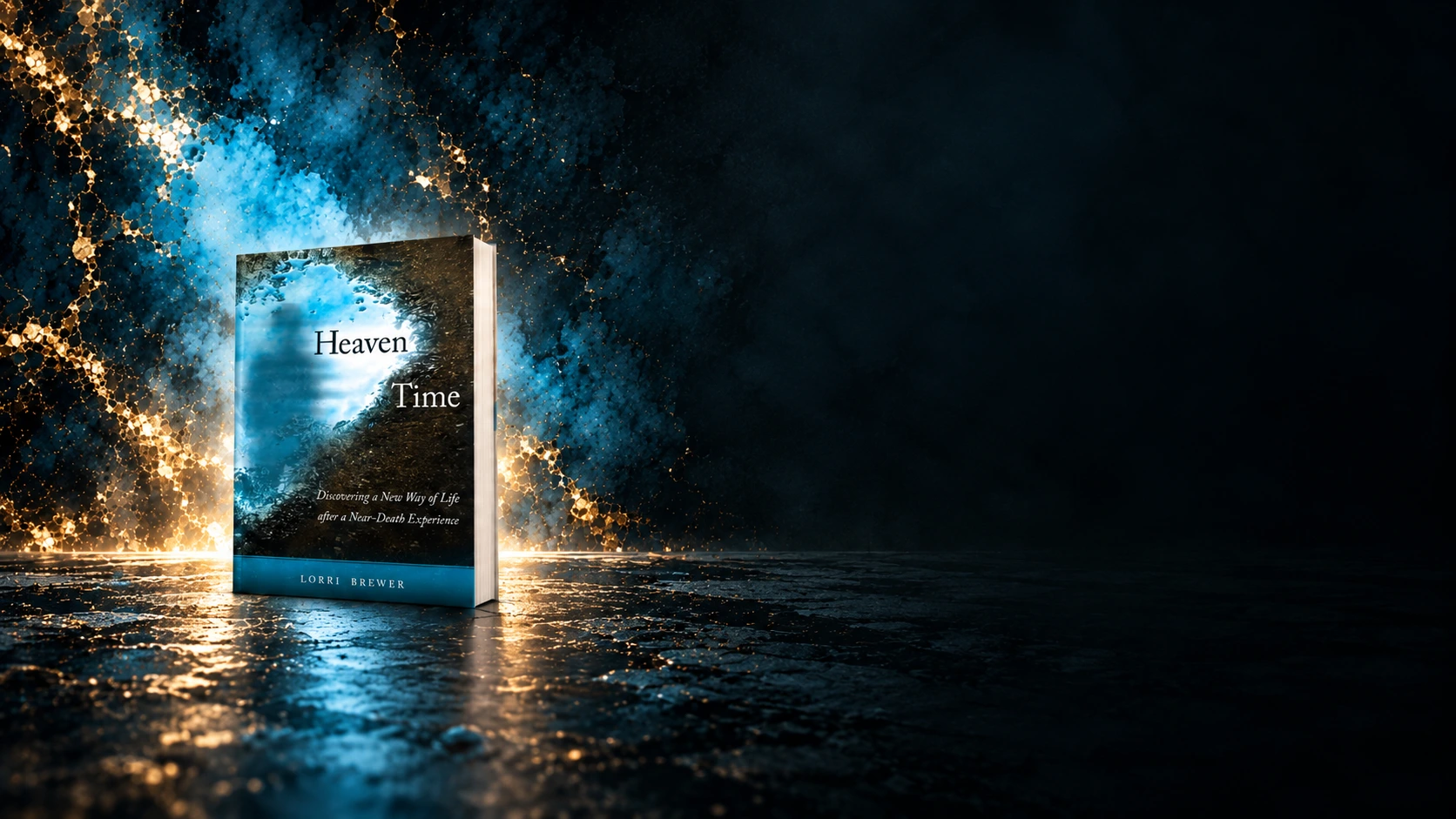
I wrote Heaven Time because I needed somewhere to put the questions.

I wanted to be brutally honest about what happened and explain it in a way an ordinary person could follow, even if they did not believe what I believed.

Heaven Time was published in 2012, close enough to the event that much of what I wrote was still raw. I wrote about my medical history, the NDE, fear, anger, grief, doubt, relationships, spiritual ideas and the very uncomfortable fact that surviving had not instantly made me happy to be alive.

I was also clear that I was telling my story. I was not trying to change somebody else's religion or hand them proof of an afterlife. I had experienced something that changed me, and I was trying to understand what it had done to my life.

When I read that earlier version of myself now, I can hear how close I still was to everything. There are places where I was more certain than I would be today. There are places where I was angry, frightened or simply trying to find language for something I could not explain. I do not want to edit that woman out of the story. She was telling the truth as she understood it then.

“Of the 3,000 near-death experiences that I have studied, Lorri's stands out as exceptional.”
Jeffrey Long, MD · Founder, Near Death Experience Research Foundation

Publication & recognition

The story started travelling farther than I expected.

Once the book was out, pieces of a very personal experience became part of a public record. These are some of the independent markers that followed.

2012

Heaven Time

Aquarius Publishing released Heaven Time, giving the NDE and its difficult aftermath a life beyond my own telling of it.

Bibliographic record

2014

Living Now Book Awards

Heaven Time received the Silver Medal in the Metaphysical category.

Official results

2015

Best Book Awards

The book was named a finalist in New Age: Non-Fiction by the Best Book Awards.

Official results

NDERF

Jeffrey Long, MD

A published endorsement from the founder of the Near Death Experience Research Foundation described my case as exceptional among the thousands he had studied.

Published endorsement

The years afterward

The deeper changes happened in ordinary life.

A public biography is made of dates because dates are easy to see. A book came out in 2012. An award followed in 2014. Another recognition came in 2015. Interviews happened. Those moments matter, but they are not where most of my life was lived.

Most of it happened quietly. I kept working. I made business decisions. I lost people. Relationships changed. I made mistakes. Some seasons were full of questions about the NDE and some were consumed by whatever life had put directly in front of me.

I changed in quieter ways too. Success did not always carry the same weight it once had. I paid more attention to intuition, but I also learned that a strong feeling does not make me infallible. Self-awareness became less about having the right answer and more about noticing what was actually driving me.

The practical and spiritual parts of my life gradually stopped feeling like separate rooms. The same questions followed me into business and ordinary life. Was I feeling intuition or fear? What did I actually know? Sometimes the harder question was whether I was making a decision for the life I had, or trying to get back to the person I had been before.

That is why I became cautious with the word resilience. I did not go back to who I was before 2010. I kept working, changing and learning what still fit.

The questions widened

Eventually, the questions became bigger than the near-death experience.

Over time, I became interested in what happens after a person has already been changed and still has to build a life.

I am still fascinated by near-death experiences, consciousness, intuition, mortality and the possibility that human experience may be larger than what we currently understand. Those questions never went away. I simply stopped expecting one extraordinary event to answer all of them for me.

What began to interest me more was the point where a person has already been changed and still has to build a life. Sometimes that follows illness or grief. Sometimes it follows the end of a relationship, a business failure, a major life transition or what someone might describe as a spiritual awakening. Those experiences are not the same as mine. The familiar part is looking at the life that used to fit and realizing it does not fit in quite the same way anymore.

I know the feeling of wanting a map when there is not one. I know how difficult it can be to tell intuition from fear, or self-trust from wishful thinking. I know what it is like to carry enormous questions into a completely ordinary workday and then have to make a decision anyway.

I have also become more comfortable saying that I do not know. Some things I believe strongly. Some things I experienced and still cannot explain. Research can answer certain questions and not others. I would rather leave room for uncertainty than make the story sound more complete than it is.

Where the work lives now

Today I write and speak about the questions that stayed with me.

The near-death experience is still part of the story, but my work now is broader: consciousness, intuition, grief, identity, self-awareness, decision-making and spirituality in ordinary life.

The Journal gives me room to stay with those ideas long enough to see where they go. Media and speaking put me in conversation with people who bring questions I would never have thought to ask myself. Those exchanges keep the work alive instead of turning it into a speech I repeat forever.

Private Sessions are quieter. They are one-to-one conversations for someone who wants to talk through a decision, loss, relationship, intuition, an unusual experience or another question with me. I do not tell people what their life means. I listen, ask questions and bring the practical and intuitive parts of myself into the same room.

Membership gives the work somewhere to keep growing. I want to build a body of writing, conversation and resources for people who are spiritually curious, still capable of skepticism and willing to think for themselves.

Experience, belief and evidence

I try to keep experience, belief and evidence separate.

I am not a physician, scientist or therapist. When I talk about research, I want the research to speak for itself. When I talk about consciousness, intuition or a spiritual belief, I want you to know where experience ends and interpretation begins. I have become much more comfortable saying "I don't know" when that is the most accurate answer I have.

Continue the conversation

There are a few places to go from here.

Journal

Essays and reflections on consciousness, intuition, grief, identity, self-awareness, spirituality and life after profound change.

Read The Journal

Media

Recent interviews, selected appearances and practical information for podcast hosts, producers, journalists and other media bookers.

Explore Media

Speaking

Public conversations about consciousness, intuition, near-death experience, identity and what profound change asks of an ordinary life.

Invite Lorri To Speak

Private Sessions

A private conversation when a situation feels tangled and another perspective may help you see what is actually there.

Explore Private Sessions

Membership

The growing home for my books, resources and the work I want to keep developing over time.

Explore Membership

Press

Approved bios, logos, press releases, brand guidelines and other resources for journalists, producers, podcast hosts and event teams.

View Press Resources